 Skyler Orton
It’s been a weird couple months for Xbox fans. Treasured exclusives have slowly been making their way to PlayStation (including their flagship series Halo) and Game Pass Ultimate prices have skyrocketed.
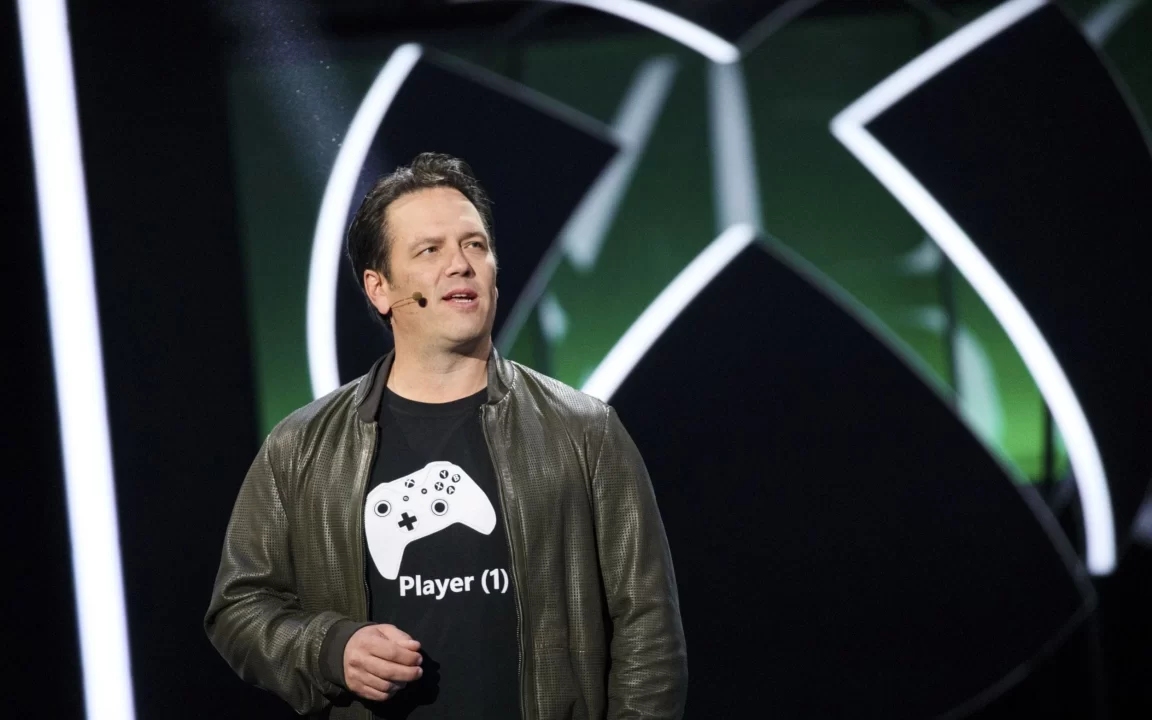
This all came to a head this week when Microsoft Gaming CEO Phil Spencer announced his departure from the company. Not only that, his second in command Sarah Bond would not be replacing him but instead is leaving the company altogether. Taking their place is Asha Sharma, an executive with experience under Facebook, Instacart, and most recently Microsoft’s own AI division. Let’s pick apart what this choice means for the future of Xbox.
Spencer out

Despite Phil Spencer’s controversial role in recent years, he had a hand in making the Xbox One the huge success we remember it as today. After the utterly disastrous launch of the Xbox One Spencer pulled the brand’s reputation out of the gutter. He discarded the unpopular Kinect focus and the always online mandates which saved the system from the bad press that it had received on launch. Without Spencer, Xbox as we know it today wouldn’t still exist.
As his tenure continued, he kept on improving things around Xbox namely with some very smart acquisitions. Microsoft acquired several smaller studios to build a healthy roster of exclusives to join their already existing suite of titles like Halo or Gears. He also branched the Xbox brand out to Japan, attempting to form partnerships with popular Japanese developers. Most successfully, he brought modern Final Fantasy to Xbox for the first time through a release of the Final Fantasy 7 remake titles.
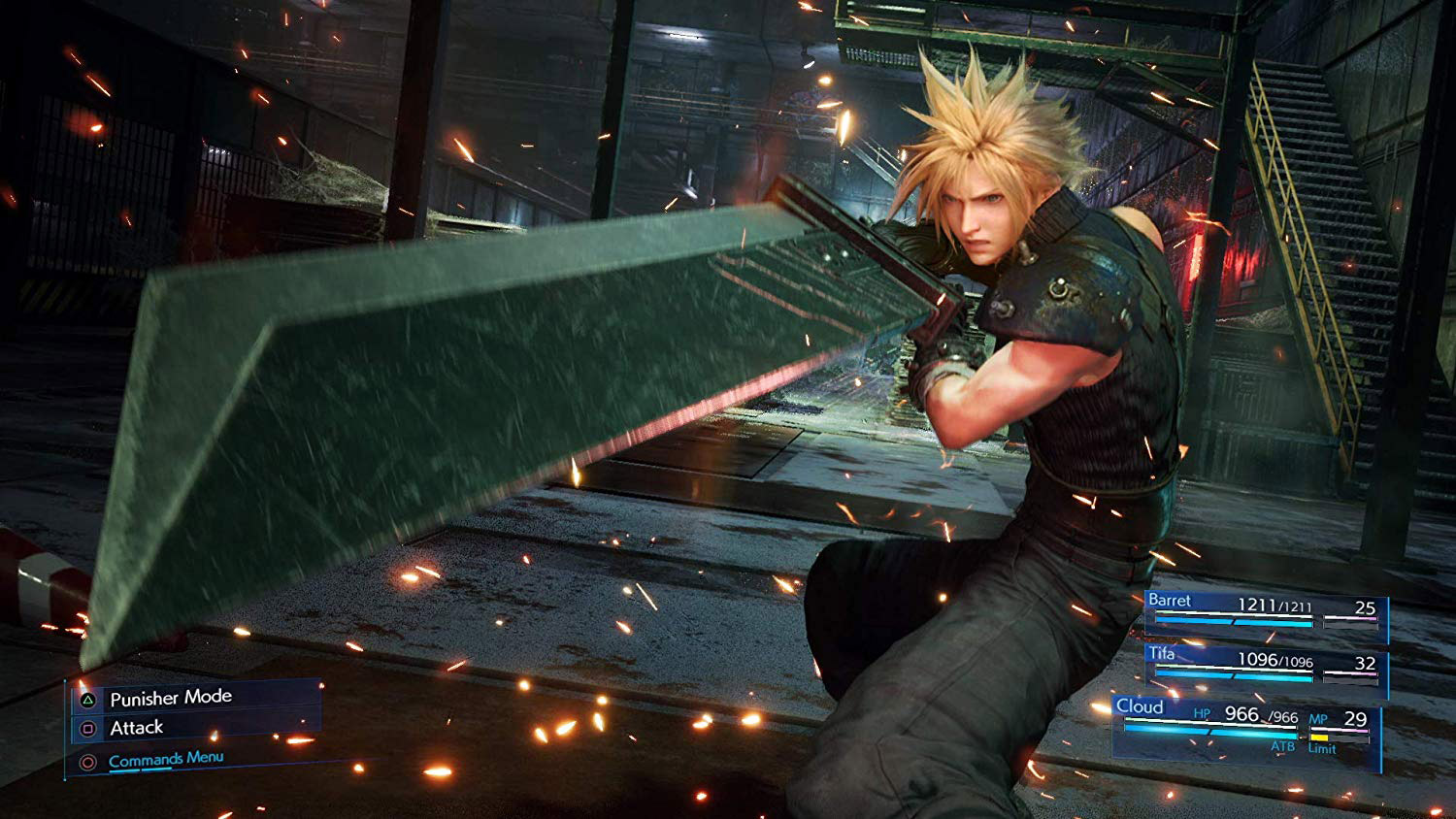
Not only that, Spencer made his corporate image into one that was for the players. He was well known for having his Xbox profile active and was always playing a new game. He was one of the rare gaming executives that felt like they were in it because of a passion for games and not just profit. At his most accessible he felt almost like Nintendo’s Reggie Fils-Aimé. He was a fan of Xbox just as much as anyone else.

Unfortunately in the 2020s his reputation wasn’t quite as spotless as when he was the hero of the platform. Microsoft’s push into cloud gaming and profit through Game Pass price increases is still heavily criticized. In fact, a subscription to Game Pass Ultimate has doubled going from $15 on launch in 2019 to the $30 it is today. That $15 price held for years until the price steadily went up starting in 2024. Under Spencer’s direction Microsoft turned what was once the best deal in gaming to yet another overpriced and tier filled subscription service.
In addition to this the acquisitions made in the 2020s were not nearly as successful as those made earlier in Spencer’s career. The famous $75 billion acquisition of Activision Blizzard is the most notable of these deals and as of yet Xbox fans have yet to see a real benefit to the merger. Coupled with several high profile flops like Redfall and the shuttering of acclaimed studios like Tango Gameworks the Xbox brand started to falter. Not all of this is entirely Spencer’s fault but as CEO he takes a lot of responsibility.
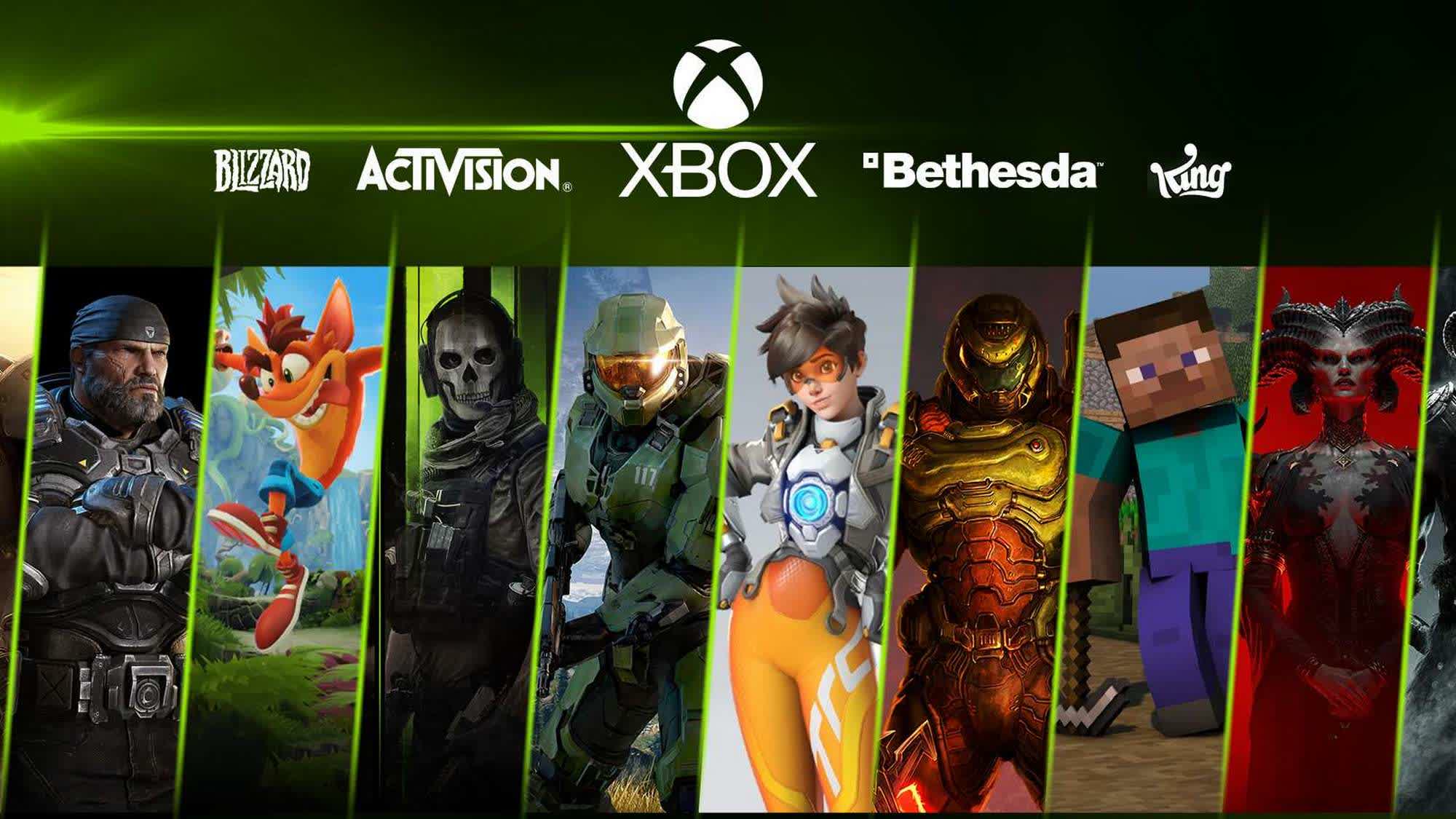
Despite this Spencer is simply retiring. But considering the circumstances of the situation it’s not difficult to wonder if there’s anything else going on behind the scenes. After all, his second in command Sarah Bond is not moving up the corporate ladder to Spencer’s position. It’s not hard to wonder if Xbox’s performance as of late has had anything to do with the current shift in leadership.
What’s Next?
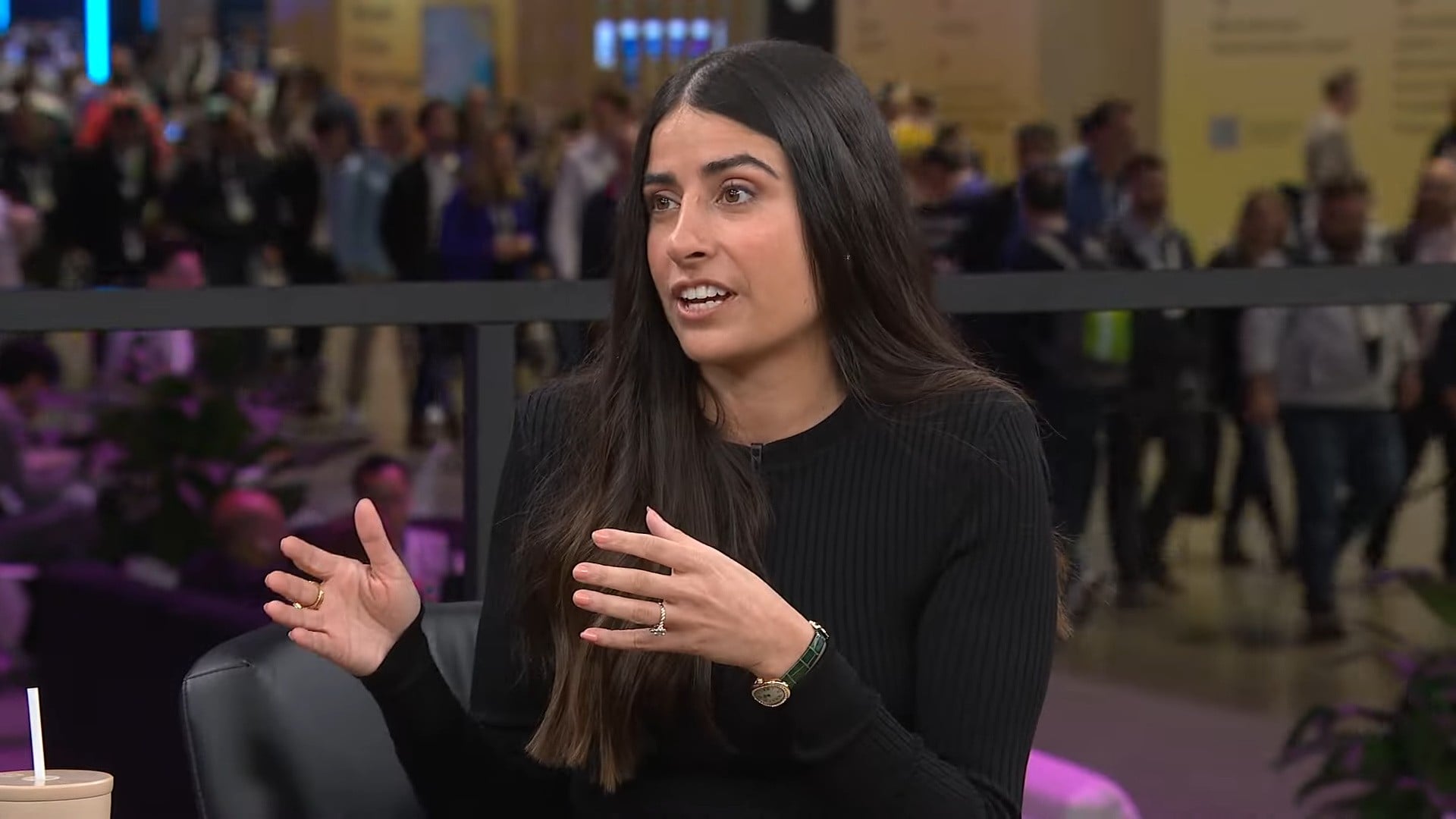
The next Xbox CEO Asha Sharma is a stark difference from Spencer in every way. Spencer had been at the company since she interned at Microsoft in the 80s later joining the Xbox division in 2001. Spencer was well known as a gamer before Xbox ever existed and stuck with his 38 year career in part because of his love for the craft. Sharma has only been at the company since 2024 in which she joined to help their Core AI division. Before that she has had no experience in the gaming industry and instead helped other companies as wide ranging as Home Depot to Facebook.
This is much different from Spencer’s gamer attitude that made him so appealing to most Xbox fans. More importantly, it signals the shift that Microsoft may be making out of the gaming industry. Under Spencer, there were already signs that the company was moving away from being hardware focused and wanted to shift towards cloud streaming. The “This is an Xbox” marketing campaign signaled that shift as Microsoft looked to gain cash from subscriptions more than develop a customer base around hardware. Sharma’s hiring makes this change a reality in a startling way.

Her experience in Microsoft’s Core AI division combined with Microsoft’s wider push for the technology makes me wonder what Xbox has in store now. Cloud streaming and AI are all new technologies and buzzwords companies have been pushing in the last few years. It’s very clear from this decision that Microsoft wants to push this controversial AI onto more and more facets of its company.
I think this is the endgame for Xbox now. If I had to bet, the next Xbox will be closer and closer to a PC. It’s been rumored for ages and products like the ROG Ally X help prove it to be a reality. This could mean an alienation of a customer base but also a sign Microsoft is starting to phase out of the gaming business. Cloud streaming and subscriptions will be pushed even more but more importantly AI will be pushed on everyone. In what way is not clear but both their choice for successor and the company’s overall direction signal this decision.
Needless to say I’m not a huge fan of what’s happening at the company. I think that price increases and streaming models are endlessly anti-consumer and the ethical problems that arise with AI are far too complex to unpack now. Needless to say this will be an interesting few years for the company. We’ll just have to wait and see if Xbox sticks around or if it goes the way of Sega.