 Skyler Orton
Anyone with a passing knowledge of J.R.R. Tolkien’s Lord of the Rings series can see the troubled history that it’s had in the last several years. Tolkien’s Middle Earth is one of the greatest fantasy settings of all time so it’s easy to see why creators and corporations alike would return to that world for new projects. Unfortunately, they aren’t all created equally and over the last decade or so new adaptations have been overall lacking. After the recent announcement of a new film written by Stephen Colbert, let’s take a look at the last few years of Lord of the Rings adaptations.
The Hobbit Movies (2012-2014)

In many ways the era of Middle Earth was kicked off with New Line Cinema’s ambitious attempt to catch lightning in a bottle a second time. Adapting Tolkien’s 300 page children’s novel into a nearly nine hour epic is a choice that has generated incredibly mixed results. While there are moments of brilliance, the story is overall bogged down by unnecessary scenes and superfluous dialogue. However, that alone isn’t why The Hobbit films failed. Between pressure from the studio and the last second change in directors from Guillermo del Toro to Peter Jackson the entire production was rushed from the start.
Everything from a lack of Peter Jackson’s signature practical effects to experimenting with filming on green screen and in abnormal frame rates made this film incredibly different from Jackson’s first trilogy. The final product is overall not great because of this. While it was a financial success, both the critical and hardcore fan reviews were much more mixed. It was the first sign that Tolkien adaptations weren’t a perfect path to success for movie studios after the flawless original trilogy. Still, despite the controversy they were undeniable commercial successes so creators everywhere still tried their hands at adapting Middle Earth.
The Shadow Games (2014, 2017)

After the Hobbit films, movie studios (temporarily) left Tolkien’s works to rest. However, Warner Bros. Interactive and Monolith Productions crept in to make arguably two of the most divisive Tolkien adaptations in Middle-Earth: Shadow of Mordor and Shadow of War. The games took the lighter high fantasy of Tolkien’s world and made a dark revenge fantasy action RPG.
How you feel about that sentence will probably already decide your opinion on the game if you’re a Tolkien fan. That combined with several meaningless lore contradictions meant most people wrote them off pretty fast. While I don’t blame fans who did for that, I still believe that the Shadow games are some of the most successful projects to come out of the last decade of Tolkien works.
As video games they are very innovative apart from Tolkien’s world. The nemesis system is a very engaging way of immersing the player in the video game world by making every single enemy feel individual. Every orc you slice through has a name and personality and through the nemesis system that same orc you defeated hours ago could come back for revenge. Additionally the orcs learn from your playstyle and can adapt to trip you up. It’s very cool so overall despite the many problems with them I would consider the Shadow games to be some of the most successful Tolkien projects of the post-Hobbit era.
The Rings of Power (2022-Present)

The high speed of Lord of the Rings adaptations really started with the release of Amazon’s ambitious TV project The Rings of Power. This series was generally hated by most Tolkien fans for a wide variety of both serious and stupid reasons. For example the series had its first black elf who faced a lot of racism and online harassment from fans. However, the show does have its fair share of genuine problems.
For the most part it creates an original story in Tolkien’s world since Amazon only got the rights to the appendices published with Return of the King and not other expanded works like The Silmarillion. I personally am okay with a show taking liberties (other fans certainly are not) but all of that doesn’t mean anything if the writing isn’t good. The writing in Rings of Power is genuinely terrible at times which ultimately is enough to ruin the project overall.
Unfortunately, everything from underdeveloping important characters like Isilidur, having terrible takes on characters like Sauron and Celebrimbor, and having countless plot inconsistencies really dragged down the excellent parts of the show. The production design is top notch in many ways matching the well-realized world seen in the Peter Jackson films. The cinematography is incredible too and every cent of the ridiculously high budget is seen on screen. While these elements are great the terrible writing just kills any goodwill the show could possibly keep.
The Modern Video Games (2020s)
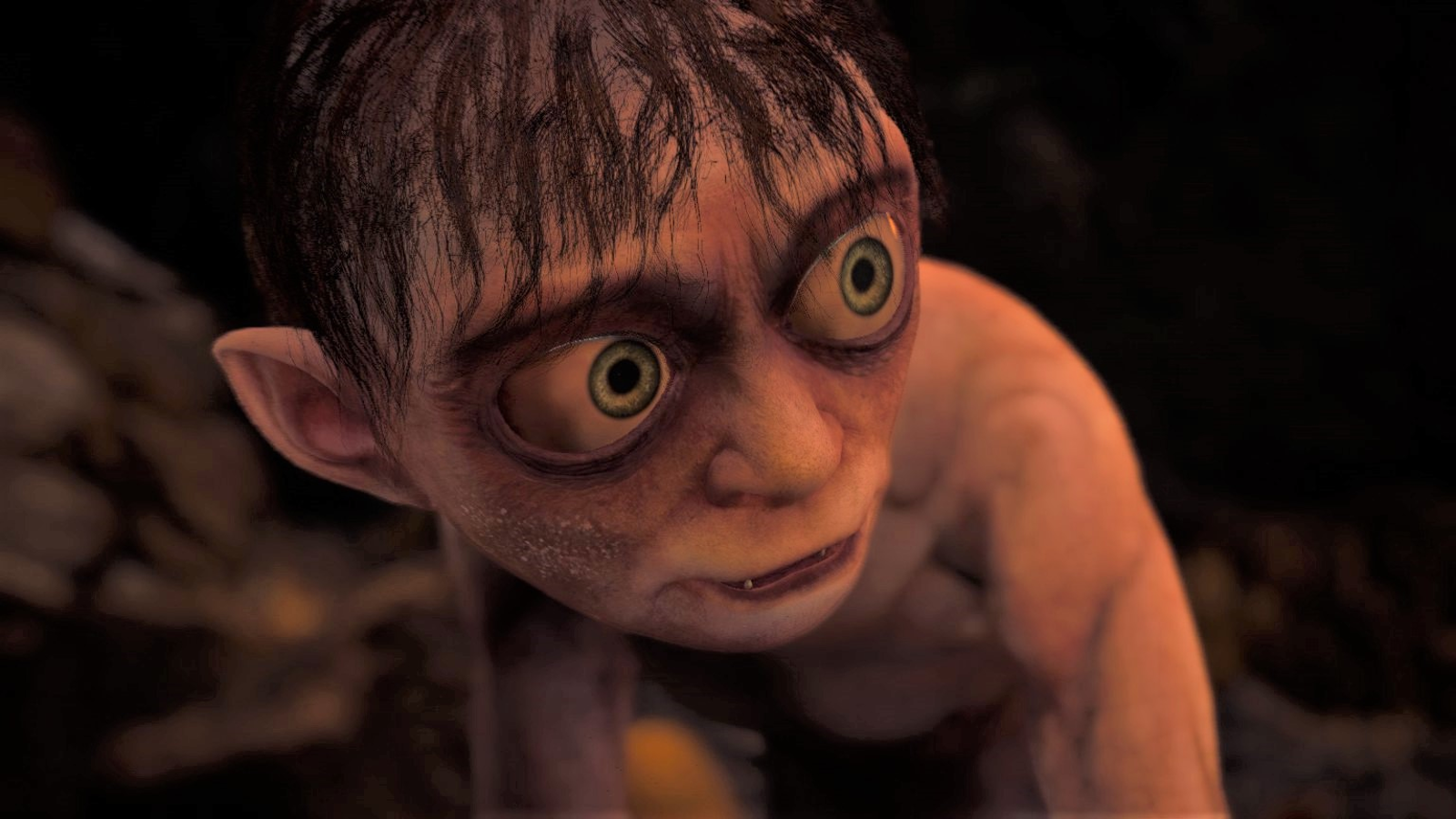
Throughout the early 2020s the Tolkien estate gave several smaller studios the license to create a handful of mostly mediocre Lord of the Rings games. The first of these is 2023’s The Lord of the Rings: Gollum which quickly became infamous for being absolutely terrible. The strange stealth adventure game attempts to tell Gollum’s story from escaping prison in Mordor to where he meets with Frodo and Sam. This concept was never the most interesting, but the bug-filled mess of the final project is atrocious and the art is at times absurd. At least it gave us some legendary memes. It was also nice to see the internet united in something for once.
The other games weren’t quite as bad but still fail to justify their existence. Return to Moria is the best out of the three. It takes inspiration from survival action games like Valheim or Subnautica but where you play as dwarves returning to take back the Mines of Moria after Return of the King. It’s a strong concept but the gameplay doesn’t hold up to the titans of the genre.
The most recent game is Tales of the Shire which attempts to jump on the cozy game genre popularized by games like Animal Crossing. This concept should’ve been a slam dunk, but it’s held back by fundamental design problems as well as a variety of bugs. It lacks the depth that other, better games have and as such is just disappointing. Overall this trio of games is mediocre to bad and don’t really justify their existence.
War of the Rohirrim (2024)
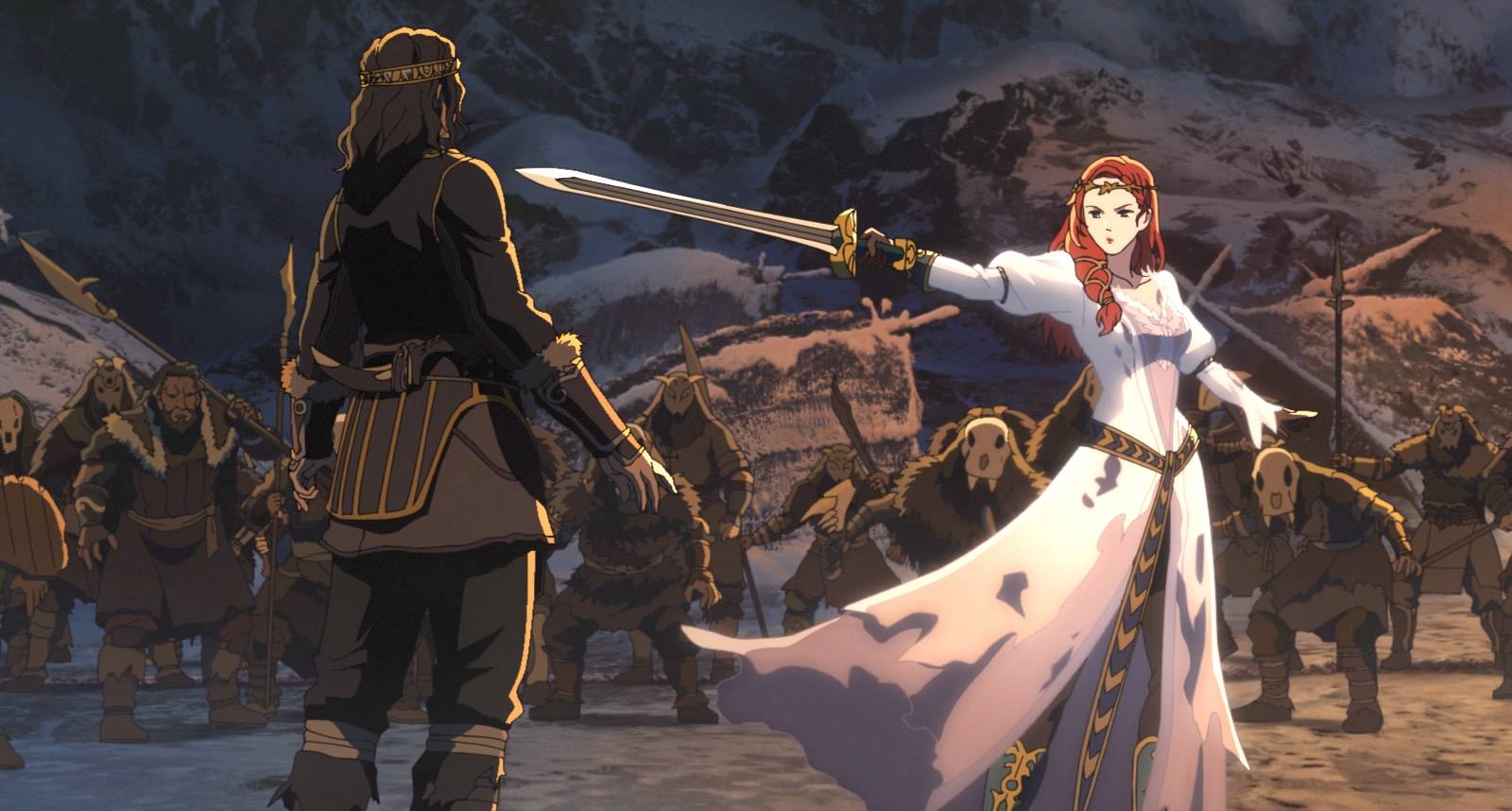
Lord of the Rings: War of the Rohirrim is a project that exists purely so that New Line Cinema could keep the license to make Lord of the Rings films away from other studios. Maybe that’s cynical to say that’s the only reason, but it was definitely a huge factor in its creation. The anime film adapts one of the grandest stories in the appendices telling of the legendary Rohan king Helm Hammerhand and his daughter Héra.
The film is mostly forgettable but it shows an interesting shift in New Line Cinema’s strategy with The Lord of the Rings property. Unlike with the original trilogy, there’s no longer as passionate a creative drive to adapt these stories faithfully. While the creative team of War of the Rohirrim clearly does care about the story, the film being fast-tracked and rushed to keep the license shows on screen. The animation looks unpolished and is more comparable to television animation instead of a feature film. This rushed animation job makes the subpar writing stand out more than it would in a better looking film. Overall, War of the Rohirrim is a mediocre attempt at a Tolkien adaptation that exists purely for corporate reasons. I theorize this may be a pattern in the upcoming Tolkien films but more on that later.
The Hunt For Gollum (2027)
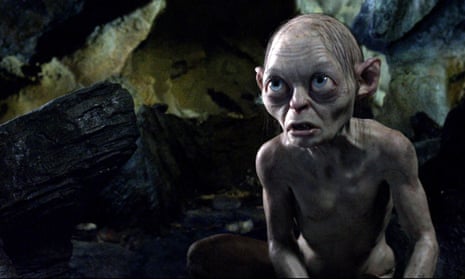
Warner Bros. made big headlines when it announced an adaptation of Aragorn and Gandalf’s decades long search for Gollum in between The Hobbit and The Lord of the Rings. The film would be directed by Gollum actor Andy Serkis and original trilogy writers Fran Walsh and Phillipa Boyens with Peter Jackson attached to produce. On a conceptual level this is a bad idea for more reasons than I could possibly count.
Firstly, it’s worth noting that despite the search for Gollum taking years in universe, it was never really written about by Tolkien. The entire story was essentially summarized in a handful of paragraphs in The Fellowship of the Ring with a bit more detail being added in Appendix B. It certainly doesn’t feel like enough material for an entire film especially if it aims to compete with the infamous length of the other Lord of the Rings films. Casting is also an enormous issue for the film as well.
Andy Serkis is naturally returning as Gollum but more interesting is Sir Ian McKellan’s return as Gandalf. I’m curious how they will handle McKellan’s difference in age since he is obviously quite a bit older than he was in his last on screen appearance in the Hobbit films. However, Viggo Mortensen has stated he will not return as Aragorn. This is fortunate since, unlike with McKellan, it would be almost impossible to make Mortensen’s age fit the story. It does mean that Aragorn would have to be recast which is certainly going to be controversial.
More important than any of that is that I simply do not trust Andy Serkis as a director for this film. I have enormous respect for him as an actor, but when it comes to directing (especially adaptations) I don’t believe that he is a good fit for the project. This is entirely because of the woefully misguided adaptation of George Orwell’s Animal Farm set to release later this year. As an adaptation Animal Farm seems to make every mistake and I fully expect The Hunt for Gollum to similarly misunderstand the property especially considering the complete lack of source material.
All of this combined means it’s hard to not look at The Hunt for Gollum cynically and say there’s no real creative drive behind it. At the end of the day we’ll just have to wait and see but I wouldn’t be shocked at all if the film is bad.
Shadows of the Past (TBD)

This brings us to the recently announced Stephen Colbert-helmed Lord of the Rings film which is simultaneously the most interesting recent project but also the most confusing. It would adapt a single chapter of The Fellowship of the Ring that was cut out of the Peter Jackson trilogy. Titled Fog on the Barrow-downs, it followed Frodo and his crew of hobbits on one of their first steps on their journey as they traveled from Tom Bombadil’s home to Bree where they would meet Aragorn for the first time.
It’s a strange choice, but even stranger is the fact that it is also potentially an ambitious sequel to Return of the King. While the film was only recently announced, part of the logline references Sam, Merry and Pippin, returning to the Shire years after Return of the King and retracing their journey. It would also include Sam’s daughter Elanor discovering some sort of secret as the crew travels throughout Middle Earth.
Stephen Colbert is a self-proclaimed Lord of the Rings superfan, but it’s hard to say if his fandom will make him a worthy writer for the franchise. It feels almost as though it’s a stunt pick to drum up early publicity than a strong choice for a screenwriter. After all Colbert is primarily a comedian and hasn’t even worked on a scripted series in over 25 years. While he will still collaborate with Walsh, Boyens, and Jackson it’s hard to say if that’s enough to pull together a cohesive final product.
Also I cynically struggle to believe that anyone could write a worthy successor to Return of the King. Even Tolkien himself attempted that feat and ended up dropping the story. We can only theorize how much of the film will use the post Return of the King frame story and how much will adapt the missing Fellowship of the Ring chapters but regardless, the film feels like a nostalgia trap. It feels like New Line Cinema trying to do a Lord of the Rings legacy sequel in the vein of Indiana Jones and the Dial of Destiny or Top Gun Maverick.
I can occasionally defend a legacy sequel but in this case I don’t have the faith that Shadows of the Past is going to be any good. Similar to War of the Rohirrim I have to wonder if losing the Lord of the Rings film rights is influencing the creation of these new films.
What Now
As sad as I am to say it, I think it might be time for the pop culture world to give Lord of the Rings a break. Since Peter Jackson adapted the trilogy, not a single project on Middle Earth has truly lived up to it. In fact, only a handful of adaptations have been decent; the majority of them have been pretty bad. I’m not saying that we should never adapt any Tolkien writings, in fact there are many stories across the first and second ages depicted in The Silmarillion or appendices that could be excellent films. However, it shouldn’t be a work that’s endlessly adapted, let’s take a break until somebody is able to do this world the justice that it deserves.