 Skyler Orton
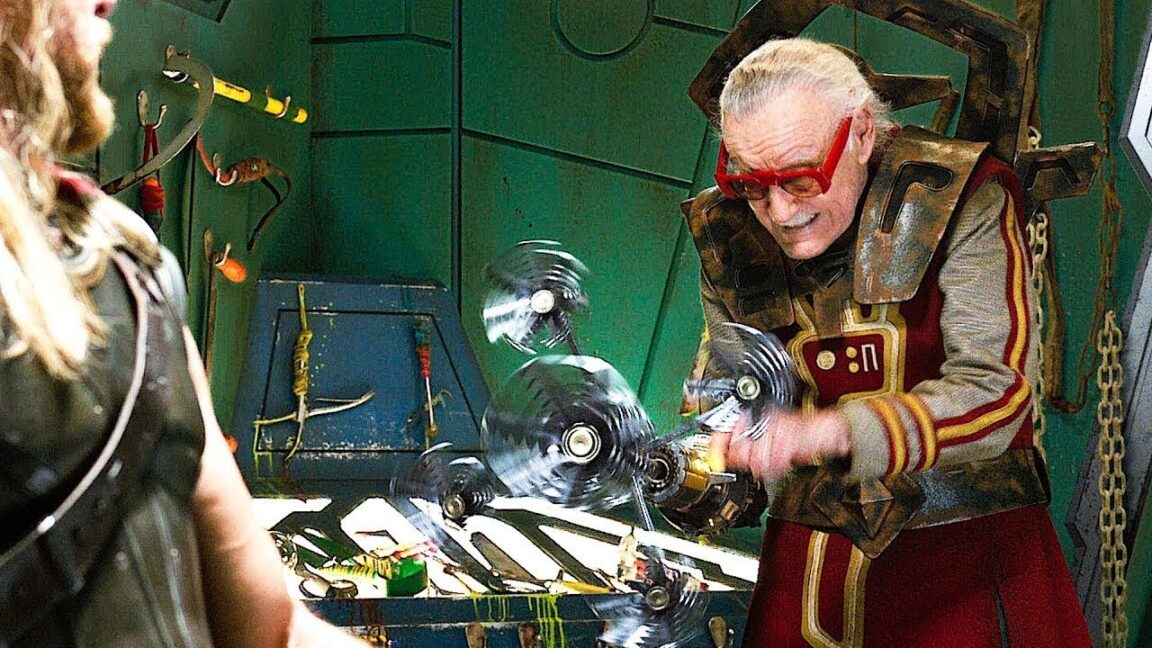
This past weekend LA Comic Con made waves when it announced a booth that will allow attendees to pay to speak to an AI hologram of late comic legend Stan Lee. Participants will be able to spend between $15 and $20 for the right to pose for pictures and have a brief three minute conversation with the hologram.
I don’t know about you but to me this sounds incredibly strange not to mention somewhat disrespectful to Lee, who died in late 2018 at age 95. Unfortunately, it’s not surprising and fits with a pattern we’ve seen the last few years of reviving dead celebrities for a return to the limelight.
Disney makes the first move

This modern trend started with, as most bad things in the entertainment industry do, Disney. 2016’s Rogue One made big news at the time by reviving actors Peter Cushing and Carrie Fisher (who was technically still alive but the performance was entirely CG). While similar technologies had been used in films for years prior to resurrect actors who died on set (like Paul Walker in Furious 7 or Brandon Lee in The Crow), this was the first major time we saw long dead actors like Cushing brought back through CG.
Obviously Rogue One’s use was and still is incredibly controversial. Even up to the past year there has been an ongoing lawsuit over it as prior to his death Cushing had an agreement that forbade the use of his likeness, despite his family’s approval. In my opinion this started the slow breach of ethics that led us to this new Stan Lee exhibit.
Maybe a good use?

There was a good gap after that for this technology (with the exception of Star Wars bringing Carrie Fisher back yearly) until 2021’s Ghostbusters Afterlife. The film brought back actor Harold Ramis to reprise his role as Egon from the 1984 classic. On its face this easily could’ve been like Disney’s previous uses with the Star Wars franchise but somehow… it’s actually respectful?
Ghostbusters Afterlife’s tribute is touching and the whole movie is dedicated to Ramis’ memory. Writer director Jason Reitman, wrote the film with the goal of being a love letter to the franchise and that shines through the use of resurrection CGI. Egon returns as a ghost to fight alongside the living cast members of the franchise.
Unlike the Star Wars projects, he doesn’t have any lines so there’s no recasting drama and the whole scene was done with full support of the family. This is also the one time this is done well. I just want to bring it up to show that this technology isn’t all bad. There can be meaningful tributes to pop culture figures but this Stan Lee thing just isn’t it.
Only gotten worse
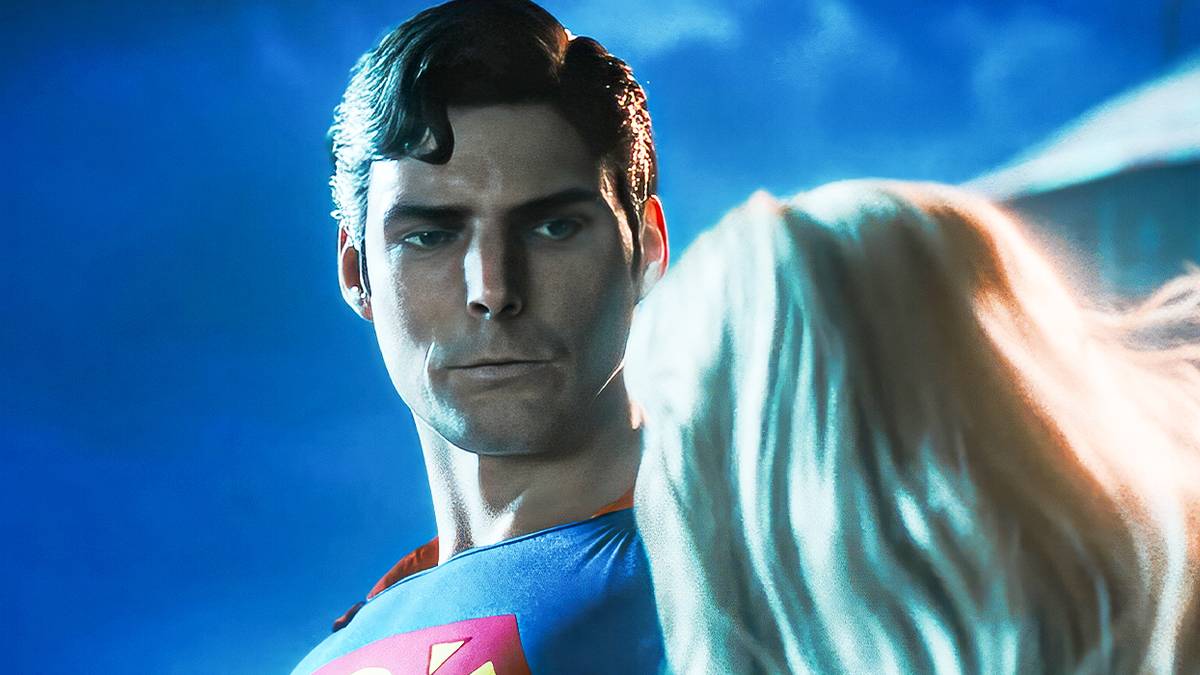
In recent years this has only gotten worse as technology has evolved. It popped up in 2023’s infamous flop The Flash. Superman star Christopher Reeve was brought back through CGI for a cameo during the film’s multiversal climax. This really shows Hollywood’s degradation when it comes to this type of cameo because Reeve’s family was never even consulted.
This is exactly what is happening with Lee’s display as the rights to his likeness are owned by other companies. As such his family was seemingly not consulted although little information is out about it now.

The very next year Alien Romulus did a very similar thing resurrecting Ian Holmes to play an android supposedly of the same model as his character Ash in the original film. This robot, Rook, is a major character in the film and is arguably the main villain. While Holmes’ family gave consent to it, the cameo still feels pretty scummy.
Mainly because the film was produced after the rise of generative AI which assisted in twisting original performance to sound like his voice. This is interesting because it feels so similar to the Stan Lee display since similarly it is using generative AI, just at a much more extreme level.
Okay it’s gotten weird now

Famed actor James Earl Jones made headlines when before his death he allowed his voice to be used to train AI models. This was very controversial when it happened but as of May 2025 we finally were able to see the effects of this model. And honestly, it’s horrifying. Jones’ iconic character Darth Vader returned to Fortnite in May with his AI chatbot in tow allowing players to interact with it through voice chat. While his voice being used in shows like Obi Wan Kenobi is more in line with the spirit of the character but this… is different.
Ethically I find this very poor and creatively it certainly goes against the spirit of the character even if Jones and his family were okay with it. I find nothing endearing about internet influencers trying to get the AI to curse and repeat “brainrot” phrases. It shows that the creative spirit and character of these performances are lost over time. These decisions are clearly made by corporations looking to profit instead of tributes to dear friends. We are clearly far from Ghostbusters Afterlife’s example despite only around 4 years having passed.
The chatbot itself

I’ve talked a lot about how we got to this point but what about the Stan Lee display itself. The discourse online is mixed and many long time Marvel fans think that Lee himself would have supported the display. Honestly, this could be true but regardless I think it is very dystopian to bring any dead people back through AI but especially this way.
In this article we’ve looked at a lot of examples that are at least pretending to be tributes to the person. However, this one is purely for profit and I think that’s what the biggest problem is. The idea that your likeness can be used by a company to hawk products long after your death is honestly terrifying and it makes me worried for the future.
What next?

This definitely sets a poor precedent for the future and I’m sure other companies will be quick to jump on this idea. But what’s the endgame for this? A digital cyberspace filled with recreations of famous actors at their prime all there purely to talk to you? A museum filled with these holograms stuck speaking to gawking tourists for eternity? Sure sounds like Ready Player One’s Oasis or Futurama’s heads in jars doesn’t it.
As science fiction becomes science fact it’s important for us as consumers to draw a line with what we find to be morally bad. Personally, I don’t think it’s okay for a company to go against an actors’ permission and put their likeness in a film. I definitely don’t think it’s okay to go against the families’ opinions. And having displays where fans can interrogate the deceased about modern internet culture? I think you already know my answer to that.