 Skyler Orton
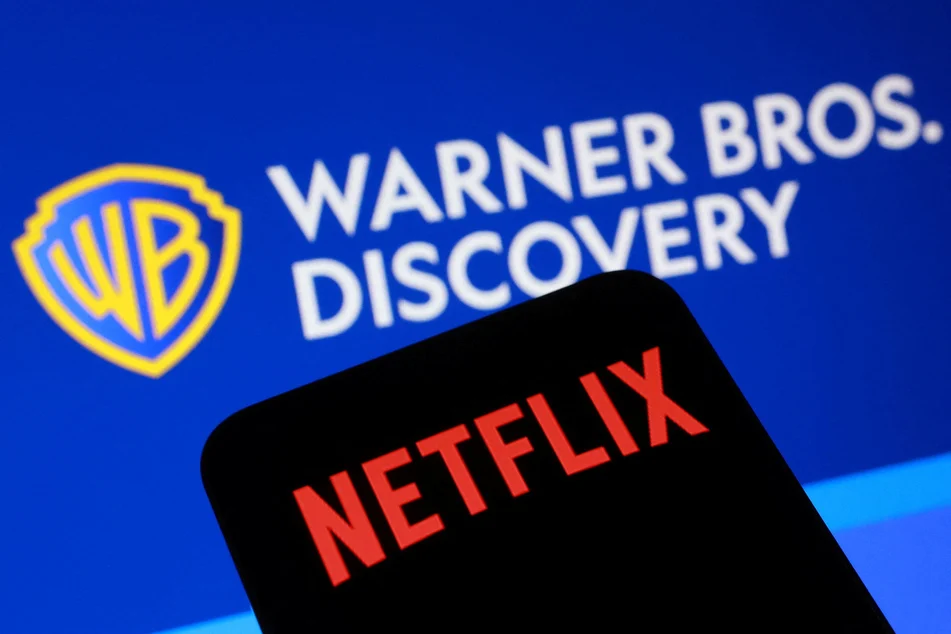
If you follow entertainment news at all, you’ve probably heard about Netflix’s plan to buy Warner Brothers for an eye watering $83 billion dollar number. Then a couple days later, Paramount upped that ridiculous number with a $100 billion dollar bid. There’s a lot unknown about what this deal would entail for the companies, but none of the options are good. Before this goes any further, let’s take the chance to unpack this deal and what it could mean for fans of the movie business.
If Netflix Buys…

Netflix and Warner Brothers run fundamentally different business models which makes this potential buyout fascinating. Warner Bros is a classic film studio which focuses on theatrical experiences over streaming. Netflix, on the other hand, focuses only on streaming, electing to give only a few of their films brief theatrical releases to qualify for awards shows. For fans of a theatrical experience, a Netflix buyout means potentially reducing showings in theaters of their major films.
This is a shame since, for many, theaters are the best way to see a new movie. For example, would the Warner Bros hit One Battle After Another have had the same impact of simply dumped on streaming? I would argue no.
Now to Netflix’s credit, they are promising to bring Warner Bros films to theaters now. However, the fine print on their press releases are more vague. I personally would expect Netflix to not invest as heavily in theaters as they want you to think. It is clear that after industry backlash, Netflix is trying to publicly save face to keep the talent. However, there is another major factor here and that is in the TV world.

Netflix is infamous for canceling a good show before its time. For example, look at recent chart toppers like Kaos or Dead Boy Detectives being axed after their first seasons. Now, Warner Bros is no saint either (look at their tax write off shenanigans for further examples) but they are better than Netflix at letting a show find its audience.
That’s not to mention that Warner Bros also owns HBO which operates with relative creative independence from the main company. I personally can’t see a world where Netflix leaves HBO shows untouched. Imagine a world where a future hit like Succession was canceled before fully taking off. I do worry that this reality could be in our future.

There could have been one upside to this deal: David Zaslav’s replacement. The Warner Bros CEO has made poor decision after poor decision since taking over the company. Unfortunately we can’t even take that solace as Zaslav is rumored to head the Warner Bros division of the company even after the acquisition. While the deal is in the early days and this is hardly confirmed news, to me this does seem possible. While Netflix would be bad, Paramount would unfortunately be worse.
If Paramount buys…
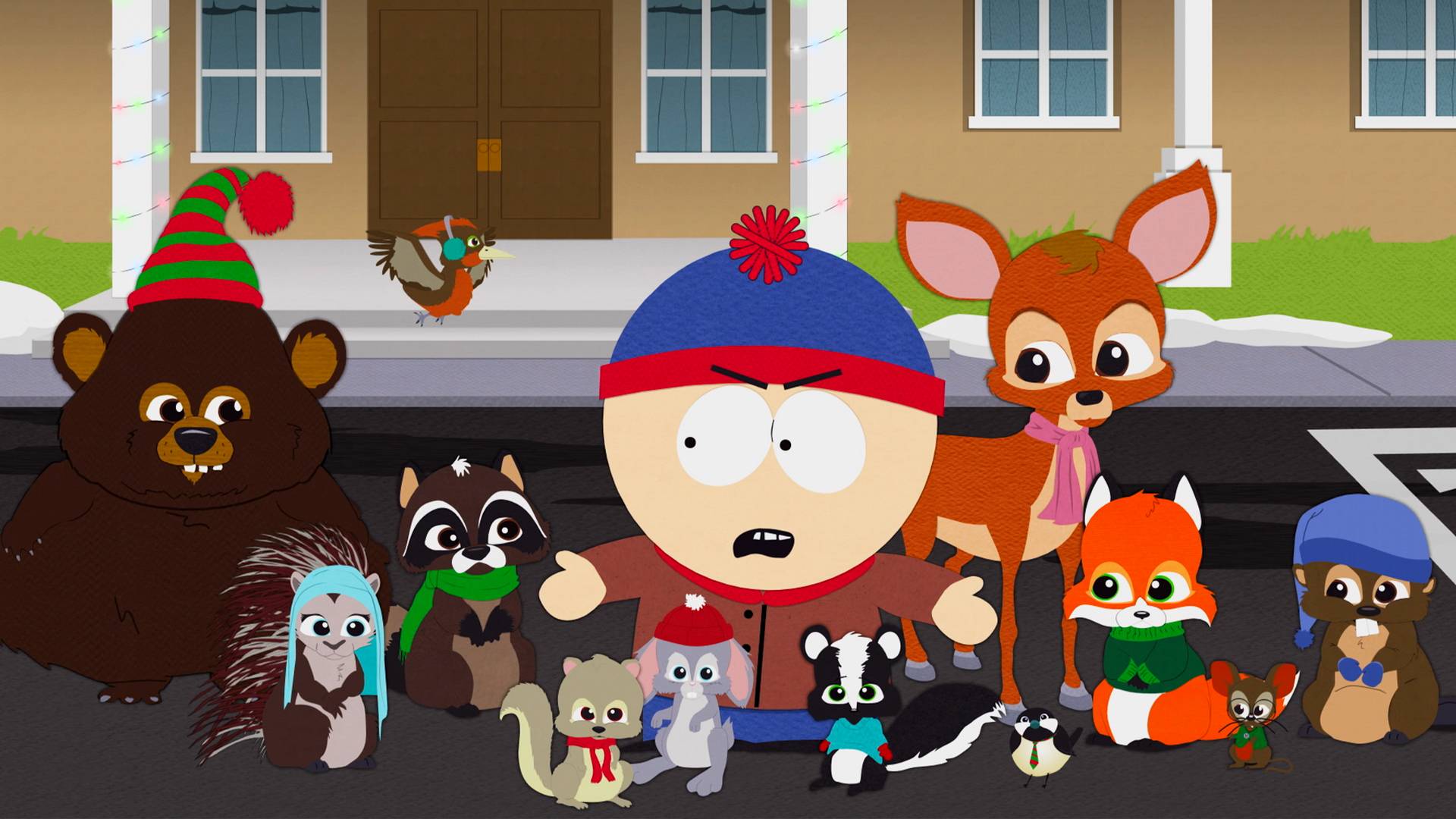
Say what you will about Netflix and Warner, but they are generally good at including a large mix of ideas into their services. Paramount is… more ideologically mixed than either company is. Paramount’s new CEO David Ellison has made a lot of concessions to the Trump administration since he took over the company. While Paramount has let some more politically charged content like South Park onto their service, with all their other actions I can’t help but be concerned about what Warner content they would keep.
In addition, Paramount will need the Trump administration’s approval for the deal to go through. It doesn’t take much speculation to wonder what Brendan Carr and the FCC would force Paramount to do especially after the Jimmy Kimmel debacle this September. Would Paramount be forced to end HBO’s Last Week Tonight or even their own South Park to get the merger to go through? We can’t know for sure, but it’s not an enormous leap in logic.
:max_bytes(150000):strip_icc():focal(999x0:1001x2)/jimmy-kimmel-091825-d08abf611fb74bf88f7678d91f4f5bd3.jpg)
Digging further into journalism politics does admittedly make this look worse. Paramount has been heavily criticized for their handling of CBS and considering CNN is under the Warner umbrella it’s hard not to wonder what would happen to the media landscape if that happens. It probably isn’t that hard to guess. President Trump has demanded a CNN overhaul before approving the merger. For the sake of staying on topic there, I will drop it at that but it sure makes you think.
For film, Paramount is admittedly a better fit than Netflix. Paramount is a major movie studio that still wholeheartedly supports a theatrical release. From that perspective, it’s a good fit. However, when you look at the studios’ outputs over the last decade it becomes a little hairier. Warner Bros regularly puts out both popular franchise fare and awards season hits while Paramount has very few of either. With the exception of the Sonic the Hedgehog and Mission: Impossible films, the company has very few blockbuster franchises under its umbrella and no awards movies. You can’t help but wonder if Paramount is an appropriate company to handle Warner Bros’ legacy.

On a smaller scale, Warner Bros subsidiary HBO has not been kind to Paramount+ this year. Comedian Nathan Fielder took shots at the company in his show The Rehearsal after Paramount+ delisted an episode of his previous Comedy Central show Nathan for You that touched on Holocaust awareness. The brutal segment portrayed Paramount leadership as Nazis for their treatment of a sensitive topic which I’m sure nobody at the company was particularly thrilled about. While obviously this is just one show, I do find it emblematic of the fundamental differences between the two companies.
No matter what
Regardless of who purchases the company, be it Netflix, Paramount, or some third party with deep pockets, changes are inevitable. The number one concern is enormous layoffs are incoming for both companies. Warner Bros saw this after they merged with Discovery as did Paramount after merging with Skydance. They are unavoidable as the companies will now have redundant positions so thousands are at risk of losing their jobs.
If a buyout is approved by trade unions, we would also likely see a lot of projects get canceled or maybe even more tax write offs like we saw with the Warner Discovery merger. Mergers are expensive ($100 billion!) and companies will have to cut costs to save money. Leadership can also shuffle around so really who knows what’s going to happen.
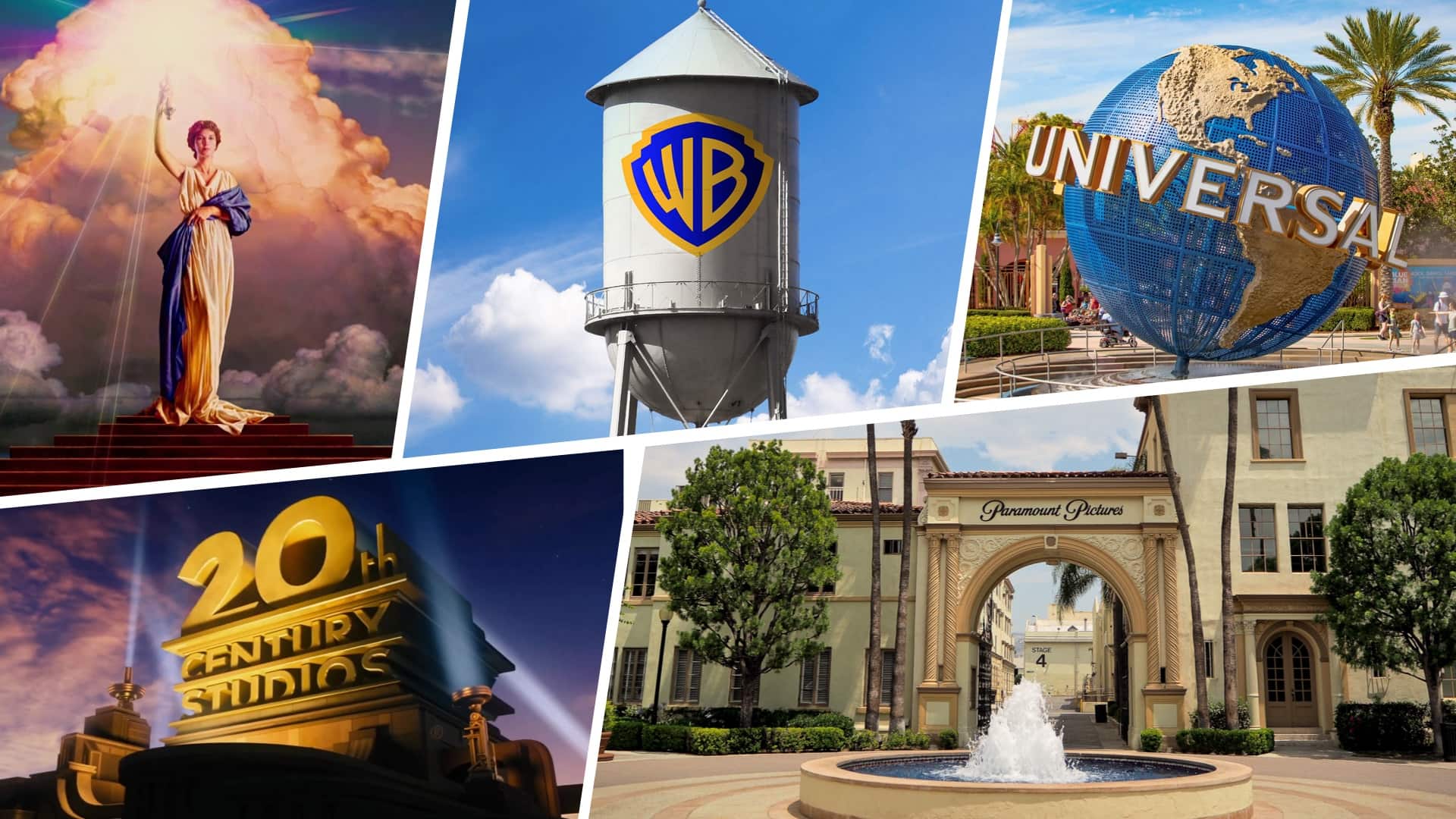
Finally, and most critically, the number of major movie studios is dropping through corporate mergers like these. For example, take a look at what were the big six studios for decades: Walt Disney Studios, Universal Pictures, Warner Bros. Pictures, Paramount Pictures, Sony Pictures, and 20th Century Fox. Fox and Disney merged in 2019 leaving only five. Hypothetically if Paramount merges then there are really only four. If Netflix wins the merger it might not necessarily take away a “big five” studio but it still harms the industry overall.
As director Darren Aronofsky, as well as many other analysts and industry members, pointed out, a merger will directly affect how many movies get made. Fewer studios means fewer places for both established and newer creatives to pitch their projects. For all of their flaws, Warner Bros is one of the few big studios that is taking major risks on projects right now. For the most part, the rest of the “big five” stick to safer fare like major franchises.

However, over the last few years Warner Bros has taken on some high budget, risky films to rave reviews. This year alone the studio released Sinners, Weapons, and One Battle After Another which were all major risks that generally worked out well for the company. To sum it up, any distributor being taken off the market is bad for business. Warner Bros specifically being acquired is even worse since they have been top notch at finding unique stories and voices over the last several years.
Is it all doom and gloom?
Honestly? There are not very many bright spots to any potential deal. If it goes through, it has the potential to reshape not just the entertainment landscape but also potentially the media landscape as a whole. Warner Bros is a historic studio that fundamentally shaped the movie industry. Which begs the question, how did we even get here?
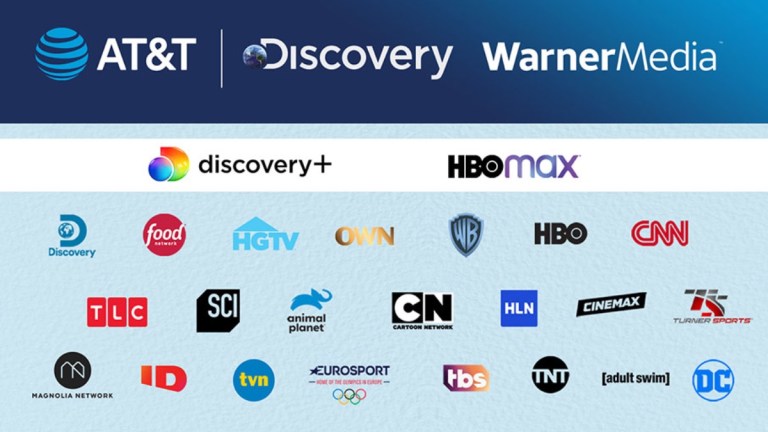
Following Warner Bros for the last few years has been fascinating to watch. Over the last decade the company has gone through several CEOs, a merger with AT&T, AT&T divesting from the company a few short years later, and yet another merger with Discovery in the aftermath of it all. Plus in that time HBO Max has had about three different rebranding so you can really tell it’s a company trying to find its identity.
Then as of June of this year Warner Bros and Discovery were somehow unmerging. But this merger is for both companies together so basically no one knows what this means. All of it really shows how much corporate nonsense like this gets in the way of quality art. It’s all so mind boggling I really can’t explain it much better. Even the Wikipedia article is filled with more proper nouns than your average sci-fi or fantasy novel; it’s really just a lot.

Zeroing in on the aftermath of the Discovery merger, Zaslav has made a wide number of unpopular decisions. From tax write offs to high profile bombs (Joker: Folie a Deux lost $200 million) it really seems like the company has floundered from one bad decision to another.
Overall, there’s only so much we can guess now. I personally don’t think that this sort of conglomeration is healthy for our media and entertainment landscape. It’s sure to do more harm than good but what do you think? Are there any upsides to this I’m not seeing? Let me know in the comments.